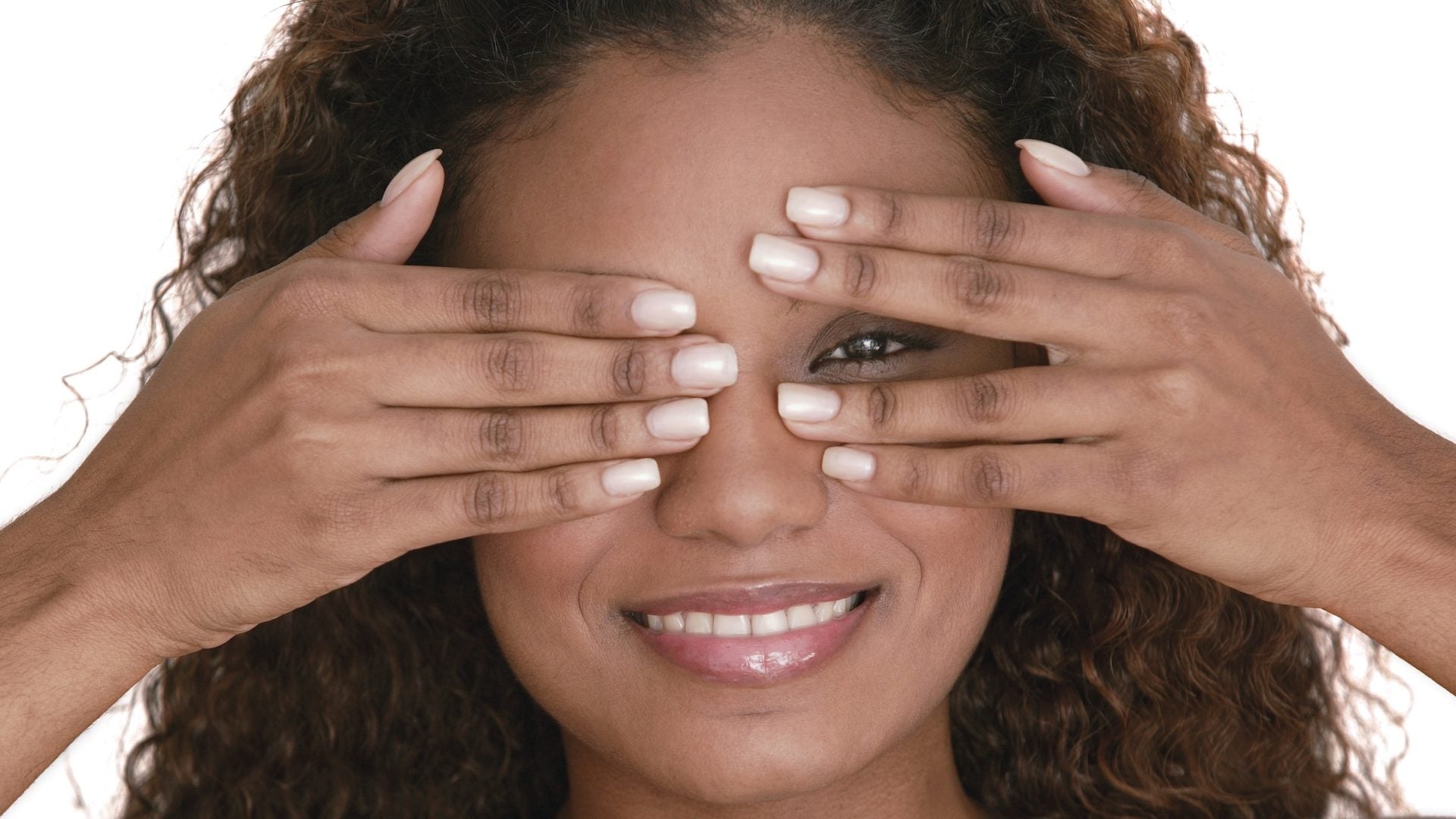

A few weeks ago, OPI revived the trend of doing your nails yourself (which we saw peak during the pandemic) with their new at-home gel system, GELement.
Between a base and top coat, a salon-quality LED lamp, and easy to follow tutorials on YouTube, the $60 dollar kit can be matched with 30 additional gel shades and has all the essentials your nail tech would have needed for a simple, natural nail manicure.
“DIY is becoming a lot more popular the worse the economy gets,” nail artist Kinaya Haug tells ESSENCE. Black consumers are responsible for 11.1 percent of total beauty spending, and despite economic uncertainty, we’ve remained heavily engaged with beauty and cosmetics. For Black women, beauty is often seen as a necessity, even on a budget. But, while deciding on whether or not to get our hair or nails done is not even a question, cutting costs with DIY is the most realistic answer.
“People are drawn to DIY not only for cost savings, but also for creativity, personalization, and the satisfaction of building or fixing something themselves,” adds nail artist and founder of Suite Eleven Ari Smith.
But, some nail artists see DIY as a threat to their small businesses, which, just like their customers, aren’t exempt from the impact of the economy. “Why are we bothering even having licensing and having regulations,” says one nail artist, Bethany, in a viral TikTok video with almost 125,000 likes. “It’s not ok to tell your lifelong customers ‘too bad so sad’ and start offering products to non licensed DIYers.” However, over 32,000 commenters refuted the nail artist’s outrage.
“This is so tone deaf in today’s economy,“ one comment read. “I don’t have $120 for nails,” wrote a second. Meanwhile, another pointed out kits like OPI’s have long been accessible to the average person. “I bought an entire OPI gel kit with a light a decade ago. This isn’t new.”
According to Lia Smith, OPI manager of education North America, “DIY has always been popular,” she says. “Just like some people choose to do their own hair, there are some people who choose to do their own nails.” With a number of other gel kits on the market—the Gel Care Starter Kit, Aprés Gel-X’s Kit Plus Collection, and DND Gel Starter Kits—DIY beauty is not a new option for everyday women. Box hair dye is more accessible than routine color treatments, strip lashes are competing with the lash extension business, and affordable nail kits have long been an option for Black women on a budget.
For Ari Smith, however, she says some, but not all products pros use should be accessible to consumers. “Traditional items such as but not limited to cuticle oils, nail lacquers, scrubs and butters, yes,” she says. “But, gel polishes, nail enhancements, drills and etcetera should be left strictly for the pros as health concerns can arise from the misuse of said products.” But, Haug still feels torn.
“Being informed on what you’re buying is very important because you don’t want to negatively affect your nail health,” Haug says. But, “big online corporations sell the same products and those don’t require a license so I don’t see the harm in someone wanting good quality products even when practicing at home.” While DIY has long been popular across the beauty industry and unlicensed beauty buffs are becoming more common, having access to professional tools to practice without a license on clients holds more liability than practicing on yourself at home (even if the risks are similar).
“Many brands have products available to the public with limited instructional resources,” Lia Smith says. Which is why OPI’s new kit is accompanied by a “GELiversity” series to teach DIYers tips, tricks, and in-depth directions to using the salon-quality products. But, while doing your nails yourself and having access to expert information serves DIYers, it’s still not at the expense of licensed professionals.
“I think DIY is definitely popular enough to impact beauty professionals but I don’t think it will ever replace the luxury of getting your nails done and being pampered,” says Haug. But, not being able to afford biweekly nail appointments doesn’t mean you don’t deserve to participate in beauty, even if it means DIYing. “I think it’s important to take care of yourself despite what’s going on in the world.”